
The Financial Conduct Authority (FCA) is a United Kingdom regulatory body that focuses on the rules and regulation of financial services firms (retail and wholesale). It is funded by membership fees it charges and is completely independent of the United Kingdom government. The FCA has a crucial role in maintaining
casey seow
- October 23, 2020
Before the year 1800, America was not even on the list of top powerful nations. In fact, at that time India and Britain were economically very strong. Sadly, after Independence India could not reclaim its position in the coming years. America was trapped between the civil war and focussed on
- October 22, 2020
Reason Finding Example Cost saving Moving from cash and check to digital payments significantly reduces cost to governments. In Mexico, estimated that the Mexican government had saved $1.3 billion, or 3.3% p.a. Transparency Digital payments improve traceability which reduces leakage of government payments to fraudulent or incorrect recipients. See further Digitizing improves
- October 22, 2020
Financial inclusion is a goal that many countries are struggling to achieve, primarily due to the high cost structure that traditional banks currently have that makes it financially unviable for them to reach out to the underserved and underbanked population. This is true even in countries like China, which has
- October 22, 2020

The strength of a national currency can affect the country’s domestic economy and international trade activities in various ways. As a lagging indicator, the implications of a strengthening or weakening currency value might differ depending on the economic conditions as well as the economic policies. Domestic Economy Currency strength in
- October 22, 2020
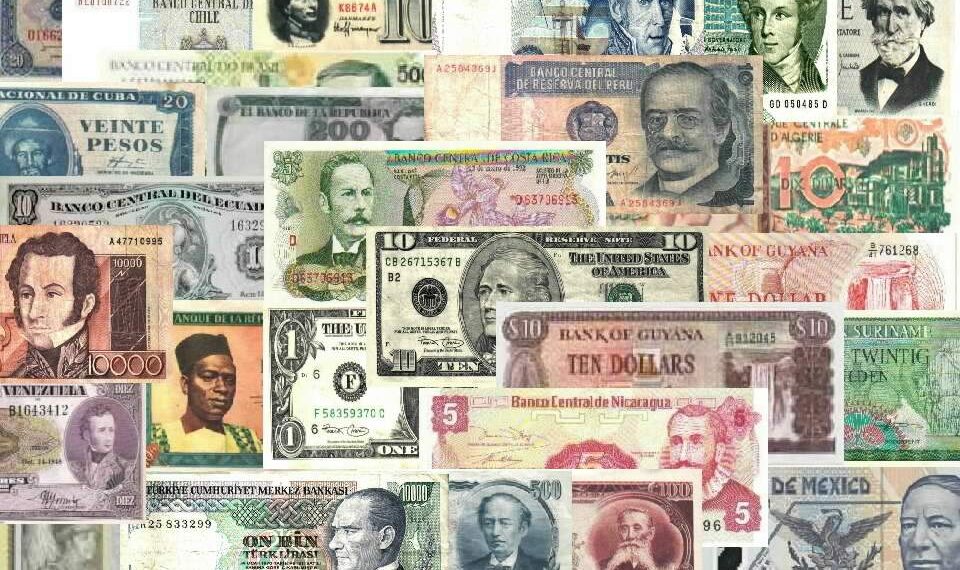
In the domestic economy, the strength of the national currency is calculated as the purchasing power when buying locally produced goods and services. It is based on income and wages reports which reveal the nominal earnings of the citizens. The nominal income value is then adjusted to the inflation rate of the observed period to find the
- October 22, 2020

Currency strength is the relative purchasing power of a national currency when traded for products or against other currencies. It is measured in terms of the quantity of goods and services purchased and the sum of foreign currency received in exchange for one unit of the national currency. Normally the increasing economic value of a currency
- October 22, 2020

The three main factors that determine the value of money are exchange rates, the amount of dollars held in foreign reserves and the value of Treasury notes. The most important single factor determining the value of money is the basic rule of supply and demand. The more demand for a
- October 22, 2020
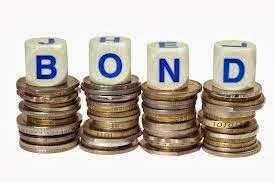
The bonds available for investors come in many different varieties. They can be separated by the rate or type of interest or coupon payment and being recalled by the issuer or have other attributes. Zero-Coupon Bonds do not pay coupon payments and instead are issued at a discount to their par value
- October 22, 2020

Most bonds share some common basic characteristics including: Face Value The money amount the bond will be worth at maturity. It is also the reference amount the bond issuer uses when calculating interest payments. For example, say an investor purchases a bond at a premium $1,090 and another investor buys
- October 22, 2020